|
|
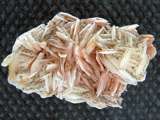 |
BARITES |
|
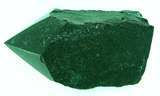
Barite, also known as baryte, is a barium sulphate mineral commonly found in lead-zinc veins and sedimentary rock formations. It displays a stunning range of colours — from icy white and honey gold to soft blues and greys — often forming tabular or bladed crystals with a gentle pearly lustre. |
|
 |
BASANITE |
|
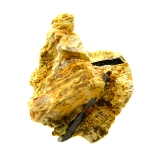
Basinite is a fine-grained volcanic rock, part of the basalt family, typically rich in feldspathoids and dark minerals like pyroxene. Found in volcanic regions worldwide, it displays deep charcoal to black tones with a subtle, earthy sheen. |
|
 |
BASTNASITE |
|
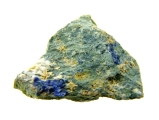
Bastnäsite is a striking rare-earth mineral, often found in earthy brown to golden-yellow crystals with a subtle metallic sheen. Formed in carbonatite and pegmatite deposits, it is admired for its unique, layered structure and warm, glowing tones. |
|
 |
BENITOITE |
|
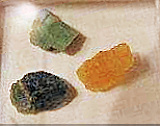
Benitoite is a rare and striking barium titanium silicate mineral, celebrated for its vivid sapphire-blue colour and sparkling brilliance, often forming stunning, well-defined crystals. Found primarily in California, it is admired for its rarity and collector appeal. |
|
 |
BERYL |
|
Beryl is a stunning mineral found in granitic pegmatites, forming hexagonal crystals that range from colourless to deep greens, blues, pinks, and yellows. Its clear, glassy appearance makes it a favourite for collectors and jewellers alike. |
|
 |
BERYLLONITE |
|
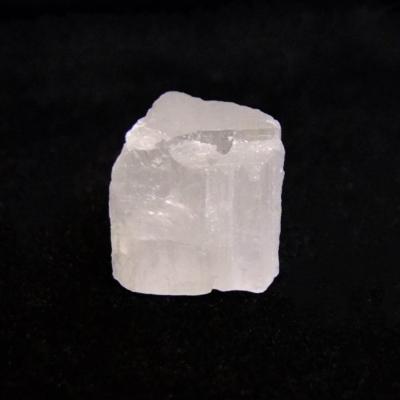
Beryllonite is a rare sodium–beryllium phosphate found in granite pegmatites and alkaline igneous environments, prized by collectors for its scarcity and delicate beauty. Typically colourless to pale yellow, it forms sharp, glassy crystals with a soft, luminous glow. |
|
 |
BEUDANTITE |
|
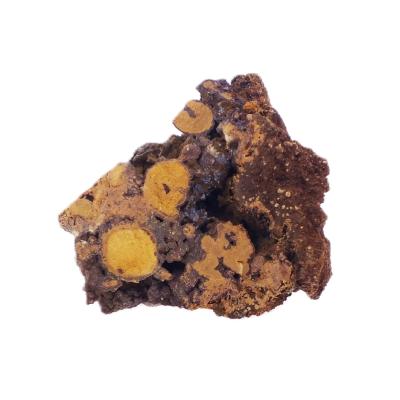
Beaudanite is a rare lead–iron phosphate–sulphate mineral typically found in oxidised ore deposits, forming attractive microcrystals that delight collectors. Its colours range from olive green to rich brown, often showing a subtle sparkle on matrix. |
|
 |
BISBEEITE |
|
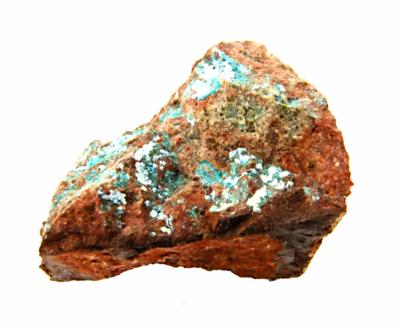
Bisbeeite is a rare copper silicate mineral, most famously discovered in the Bisbee mining district of Arizona. It forms striking blue to blue-green crusts and botryoidal coatings, often displaying a soft, velvety surface that contrasts beautifully with darker host rocks. |
|
 |
BISMUTH |
|
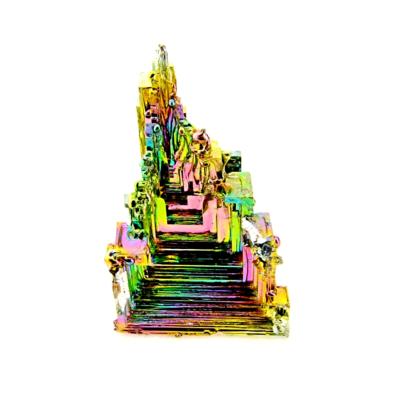
Bismuth is a striking metallic element admired for its shimmering, iridescent crystals and unique hopper formations. Naturally rare, it forms in geometric, stair-step shapes displaying vivid rainbow colours, making it a captivating addition to any collection. |
|
 |
BLACK SALT (KALA NAMAK) |
|
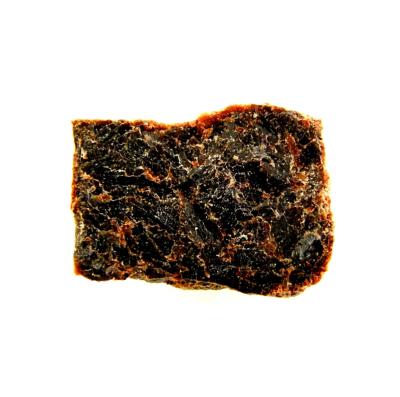
Black Salt is a striking mineral with deep, dark hues often flecked with subtle grey or brown tones, prized for its earthy, natural beauty. Formed through the evaporation of mineral-rich waters, it carries a rich geological history and unique crystalline textures. |
|
 |
BLOODSTONE |
|
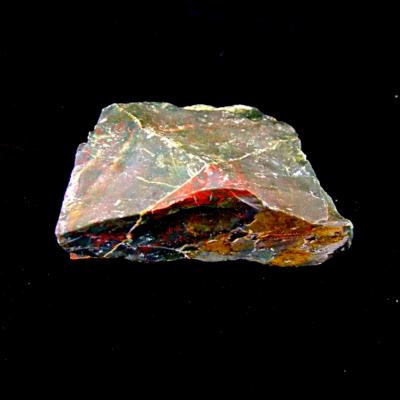
Bloodstone is a captivating dark green chalcedony, often dotted with striking red flecks of iron oxide, giving it a dramatic, blood-like appearance. Formed in volcanic rocks, it has been cherished for centuries for its unique beauty and enduring strength. |
|
 |
BLUE JOHN |
|
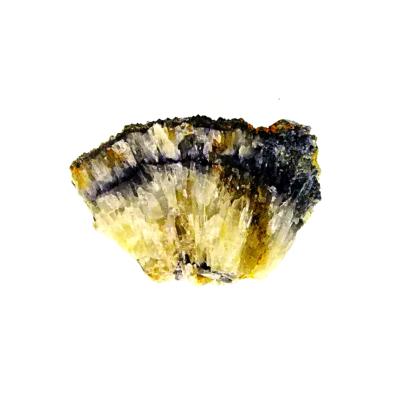
Blue John is a rare and striking variety of fluorite, found primarily in Derbyshire, England, celebrated for its bands of rich purples, deep blues, and golden hues. Formed in limestone cavities over millions of years, its natural striations create a mesmerizing, almost ethereal appearance. |
|
 |
BORACITE |
|
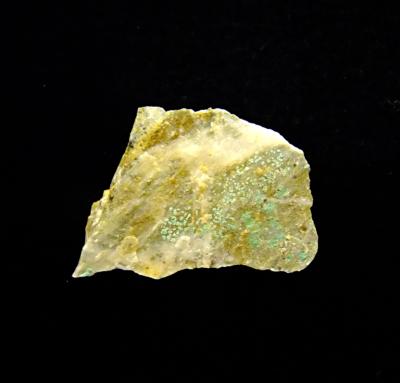
Boracite is a rare magnesium borate mineral, typically forming in evaporite deposits alongside gypsum and halite. It displays captivating crystalline structures, often with a pale green, blue, or colourless appearance, sometimes exhibiting a sparkling, glassy lustre. |
|
 |
BOTALLACKITE |
|
Botallackite is a rare copper chloride mineral typically found in the oxidised zones of copper deposits. This captivating stone displays vivid green to blue-green hues with a metallic sheen, often forming delicate, needle-like crystals. |
|
 |
BRAZILIANITE |
|
Brazilianite is a rare and captivating phosphate mineral primarily found in Brazil’s granite pegmatites. Known for its rich golden-yellow to amber hues and sparkling, transparent crystals, it radiates warmth and brilliance. |
|
 |
BROCHANTITE |
|
Brochantite is a striking copper sulfate mineral typically forming in arid, oxidised copper deposits. Its vivid emerald-green to deep green crystals shimmer with a glassy or silky lustre, often creating captivating clusters. |
|
 |
BRONZITE |
|
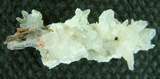
Bronzite is a beautiful iron-rich pyroxene mineral found in igneous and metamorphic rocks around the world. Recognised for its warm brown tones and silky, bronze-like shimmer, it displays subtle chatoyancy that gives each piece a glowing depth. |
|
 |
BROOKITE |
|
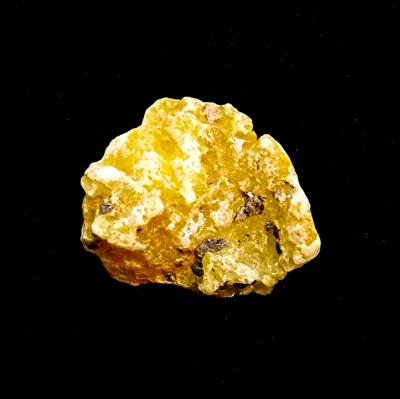
Brookite is a rare titanium oxide mineral typically found in alpine clefts, metamorphic zones, and high-altitude pegmatites. It forms slender, orthorhombic crystals in deep reddish-brown, smoky black, or bronze tones, often showing a subtle metallic lustre. |
|
 |
BRUCITE |
|
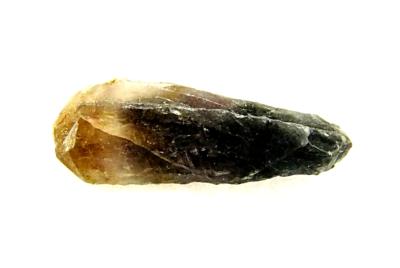
Brucite is a magnesium hydroxide mineral formed in metamorphosed dolomite, serpentinite, and hydrothermal veins. It often appears in delicate crystalline plates or fibrous layers, displaying soft hues of lemon-yellow, pale blue, white, or translucent green. Its gentle colouring gives it a calming, uplifting presence. |
|
 |
CACOXENITE (SUPER 7) |
|
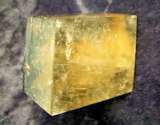
Cacoxenite is a striking iron-rich phosphate mineral often found as golden to amber needle-like inclusions within quartz or amethyst. Its fibrous, radiant formations catch the light beautifully, creating a warm, energising display. |
|
 |
CALCITE |
|
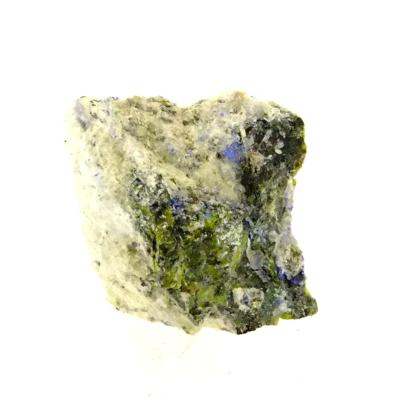
Calcite is a versatile and beautiful calcium carbonate mineral found in sedimentary and metamorphic rocks worldwide. It occurs in a wide range of colours, from clear and milky white to soft pinks, yellows, and greens, often forming stunning rhombohedral crystals or layered formations. |
|
 |
CALLAGHANITE |
|
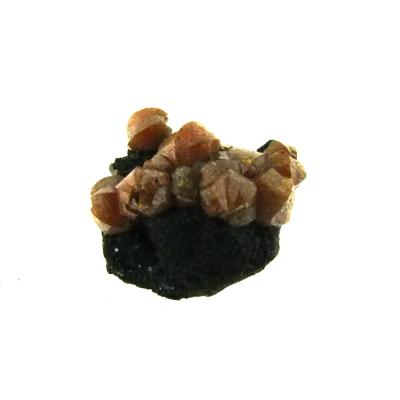
Callaghanite is a rare, delicate copper magnesium carbonate mineral, treasured for its soft, pastel green to bluish-green hues and smooth, glassy appearance. Typically forming in small, botryoidal clusters, it is a gem for collectors seeking something unique. |
|
 |
CAMPYLITE (MIMETITE) |
|
Campylite is a rare lead copper phosphate mineral, often forming striking barrel-shaped crystals in shades of rich honey, amber, or golden brown. Its lustrous, translucent surfaces catch the light beautifully, making it highly prized by collectors. |
|
 |
CANCRINITE |
|
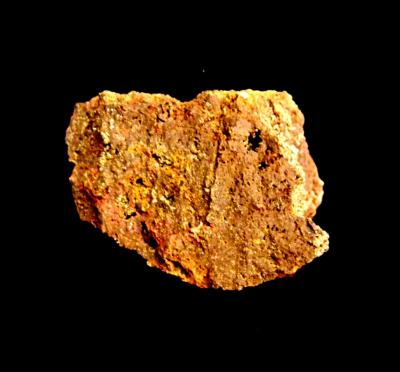
Cancrinite is a rare mineral typically found in granite pegmatites, showcasing a captivating crystalline structure with subtle metallic or silvery-grey tones. Its unique formation and reflective surfaces make it an intriguing specimen for collectors. |
|
 |
CARMINITE |
|
Carminite is a striking, deep red arsenate mineral typically forming in oxidised zones of lead and iron deposits. Its vivid crimson colour and brilliant crystal clusters make it a captivating specimen for collectors and mineral enthusiasts alike. |
|
 |
CARNELIAN |
|
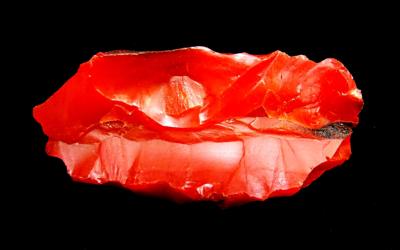
Carnelian is a warm, reddish-orange variety of chalcedony, formed from silica-rich volcanic rocks. Its smooth, translucent to opaque surface often displays rich, fiery hues that glow in sunlight, making it a favourite for jewellery and decorative pieces. |
|
 |
CARROLLITE |
|
Carrolite is a striking copper-cobalt-nickel sulfide mineral, typically forming in hydrothermal veins and metamorphosed deposits. Its metallic blue to bluish-green colour and reflective, crystalline surface make it a visually captivating specimen for collectors. |
|
 |
CATACLASITE |
|
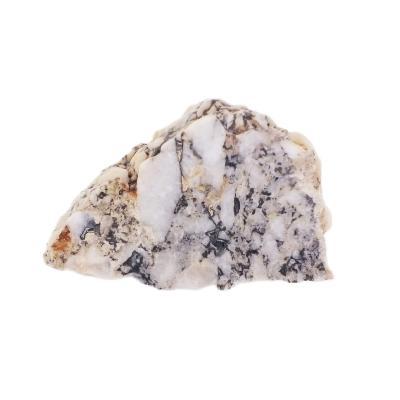
Cataclasite is a fascinating metamorphic rock formed under intense pressure along fault zones, where pre-existing rocks are crushed and re-cemented. It typically displays a dark, fine-grained, and fragmented appearance, often streaked with lighter veins, reflecting its dynamic geological history.
|
|
 |
CATLINITE (MINNESOTA PIPESTONE) |
|
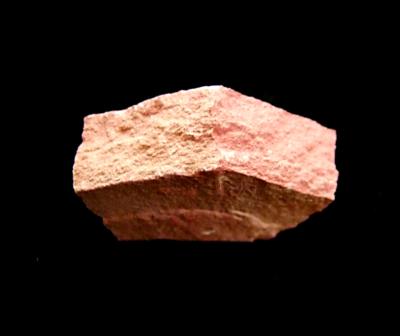
Catlinite, also known as pipestone, is a fine-grained red to pink argillite formed through the low-grade metamorphism of clay-rich sediments. Its smooth texture and warm, earthy tones make it highly valued, especially in carved pieces. |
|
 |
CAVANSITE |
|
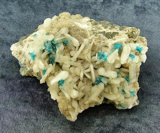
Cavansite is a rare hydrous calcium vanadium silicate found mainly in volcanic basalt cavities, most famously in India. Its vivid blue, radiating crystal sprays create a striking contrast against their host rock, making it a favourite among collectors. |
|
 |
CELESTITE |
|
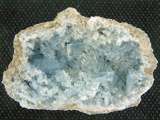
Celestite is a delicate strontium sulphate mineral formed in sedimentary rocks, often in geodes lined with soft, sky-blue crystals. Its shimmering, airy appearance has long inspired associations with the heavens, and in folklore it was believed to carry messages from guardian spirits |
|
 |
CELESTO-BARITES |
|
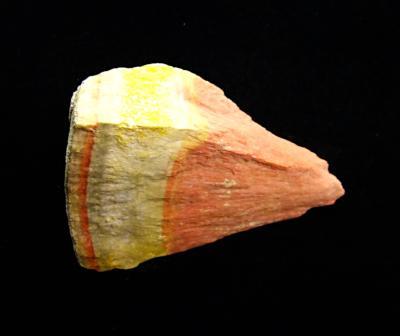
Celestobarite is a striking barium–strontium sulphate mineral typically found in hydrothermal veins, where chemical-rich fluids create its distinctive layered formations. Its bands of peach, cream, grey, and soft orange give it a warm, earthy elegance. |
|
 |
CERUSSITE |
|
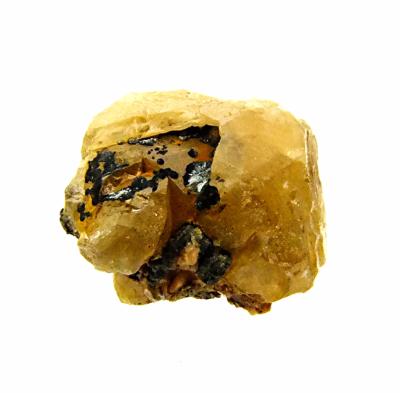
Cerussite is a lead carbonate mineral formed through the oxidation of galena in arid mining regions. Known for its brilliant sparkle and high density, it often appears as clear, smoky, or honey-toned crystals with exceptional luminosity. |
|
 |
CHABAZITE |
|
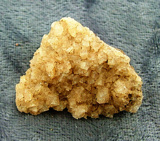
Chabazite is a striking zeolite mineral typically found in volcanic rocks, forming in beautiful, well-defined crystal clusters. Its translucent to transparent crystals often display soft pinks, oranges, or golden hues, sparkling with natural brilliance. |
|
 |
CHALCEDONY |
|
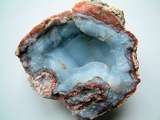
Chalcedony is a beautiful microcrystalline variety of quartz, forming in volcanic and sedimentary rocks. Known for its smooth, waxy luster and soft, soothing colours ranging from pale blues and greys to gentle pinks and whites, it exudes calm elegance. |
|
 |
CHALCOCITE |
|
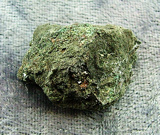
Chalcocite is a striking copper sulfide mineral, typically forming in dark, metallic grey to black masses with a subtle sheen. Found in hydrothermal veins and supergene enrichment zones, it is highly prized for its rich, metallic appearance. |
|
 |
CHALCOPHANITE |
|
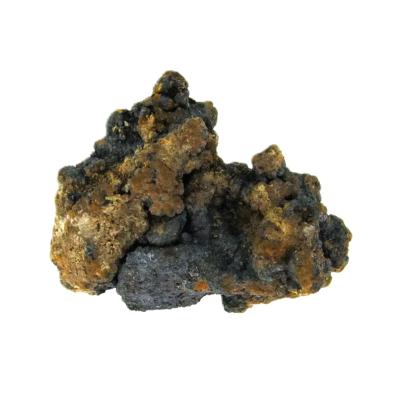
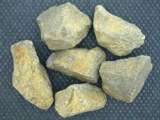
Chalcophanite is a captivating manganese zinc oxide mineral, usually forming in striking dark green to black radiating crystals. Found in oxidised zones of manganese deposits, it displays a metallic luster that makes it a collector’s favourite. |
|
 |
CHALCOPYRITE |
|
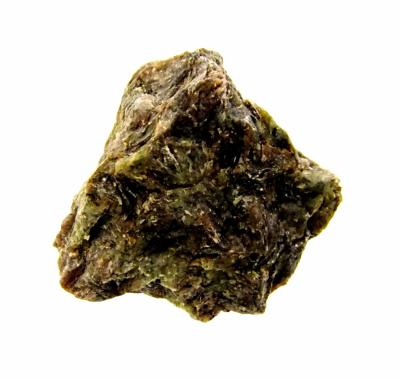
Chalcopyrite is a brilliant copper iron sulphide mineral, renowned for its metallic gold, iridescent sheen that often flashes with rainbow colours. Commonly found in hydrothermal veins and igneous rocks, it is a favourite among collectors for its striking, reflective appearance. |
|
 |
CHAROITE |
|
Charoite is a rare and captivating silicate mineral, prized for its swirling patterns of lavender, violet, and lilac, often accented with flashes of black and white. Formed in volcanic tufa deposits in Russia, it presents a silky, chatoyant texture that mesmerises collectors. |
|
 |
CHIASTOLITE CROSS |
|
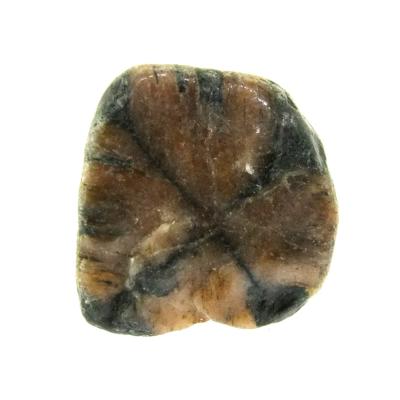
Chiastolite, a unique variety of andalusite, is celebrated for its natural cross-shaped graphite inclusions. Formed in metamorphic rocks, it displays earthy shades of grey, brown, and cream, with the striking dark cross pattern giving it a distinctive, captivating look. |
|
 |
CHLORITE |
|
Chlorite is a vibrant green mineral commonly found in metamorphic rocks, often forming as delicate, leafy or fibrous crystals. Its rich green hues evoke a sense of nature and renewal, making it visually captivating. |
|
 |
CHROME DIOPSIDE |
|
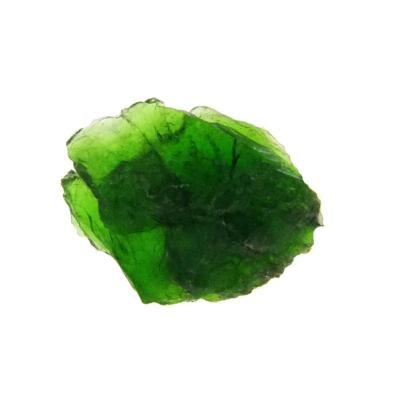
Chrome Diopside is a striking green gemstone, formed in ultramafic rocks and kimberlite deposits, prized for its rich, deep emerald-like colour and vitreous lustre. Its vibrant green hues make it a standout in any collection. |
|
 |
CHROMITE |
|
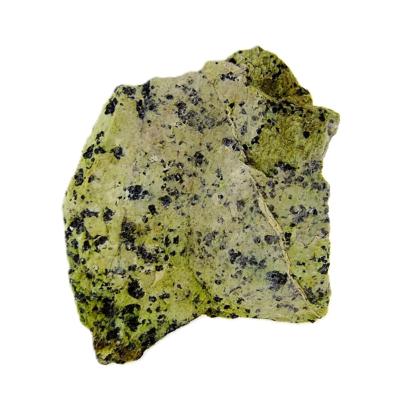
Chromite is a lustrous, metallic mineral primarily found in ultramafic and mafic igneous rocks, valued for its rich black to dark brown hues with a subtle metallic sheen. Historically, it has been regarded as a stone of strength and protection. |
|
 |
CHRYSANTHEMUM STONE |
|
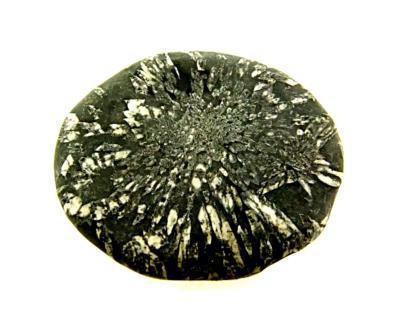
Chrysanthemum Stone is a striking, naturally patterned stone found in sedimentary deposits, featuring flower-like crystal formations in shades of cream, grey, or black set against contrasting backgrounds. |
|
 |
CHRYSOCOLLA |
|
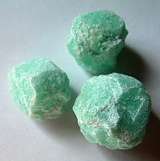
Chrysocolla is a vibrant copper-rich mineral, often found in the oxidised zones of copper deposits, displaying stunning shades of turquoise, teal, and deep blue-green with intricate swirling patterns. |
|
 |
CHRYSOPRASE |
|
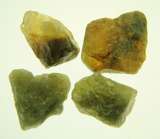
Chrysoprase is a captivating green chalcedony, formed from nickel-rich silica deposits, prized for its translucent apple-green to deep green hues. |
|
 |
CHYRSOBERYL |
|
Chrysoberyl is a stunning, durable gemstone, prized for its range of colours from golden yellow to greenish hues, often with a captivating cat’s eye effect. Formed in metamorphic rocks and pegmatites, it has long been valued in folklore for protection, clarity, and prosperity. |
|
 |
CINNABAR |
|
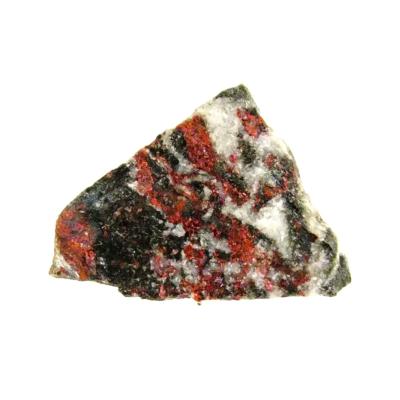
Cinnabar is a striking, deep red mineral, often with a vibrant, almost metallic sheen, formed in hydrothermal veins near volcanic areas. Historically, it was treasured in folk traditions for its protective and transformative qualities, often linked to vitality and abundance. |
|
 |
CITRINE |
|
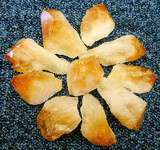
Citrine is a radiant yellow to golden-brown variety of quartz, formed in igneous and metamorphic rocks. Its warm, sunlit hues, ranging from pale lemon to deep amber, make it a favourite for jewellery and collections. |
|
 |
CLEAVELANDITE |
|
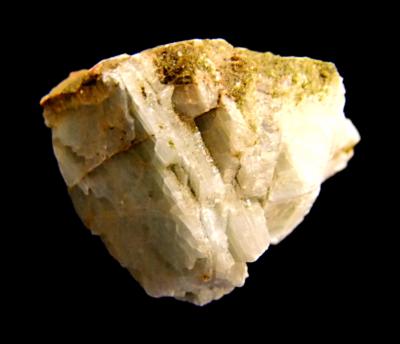
Cleavelandite is a striking, platy variety of albite, often found in granitic pegmatites. Its pearly white to silvery-grey layers shimmer with a subtle, satiny glow, making it a favourite among collectors. |
|
 |
CLINOCHLORE |
|
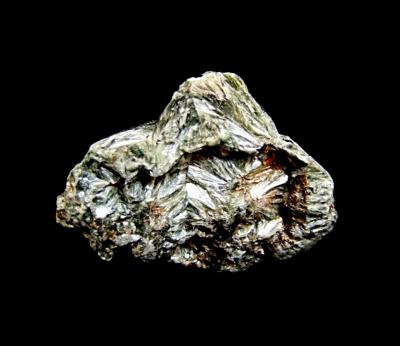
Clinochlore is a striking green mineral from the chlorite group, commonly found in metamorphic rocks such as schist and gneiss. Its rich, leafy green hues often display a subtle shimmer and layered, textured appearance, making it visually captivating. |
|
 |
CLINOPTILOLITE |
|
Clinoptilolite, a member of the zeolite family, forms in volcanic ash layers that have reacted with alkaline groundwater over millions of years. This gentle stone often appears in soft creams, pinks, or pale oranges, with a delicate, porous texture that reflects its natural filtering qualities. |
|
 |
CLINOZOISITE |
|
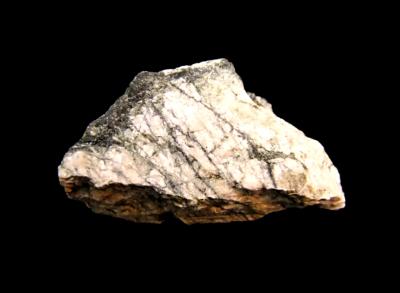
Clinozoisite is a striking mineral from the epidote family, formed through low- to medium-grade metamorphism in calcium-rich rocks. It often appears in fresh green, yellow-green, or pinkish tones, with a vitreous lustre and elegant, elongated crystal forms. |
|
 |
COLBALTO (COLBALTOAN)-CALCITE |
|
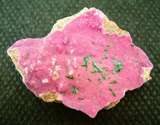
Carbolto Calcite is a striking mineral, formed in sedimentary environments where carbonate-rich waters slowly crystallise into distinctive formations. It typically presents soft grey to smoky brown hues with subtle banding, offering a soothing, earthy aesthetic that enhances any collection. |
|
 |
COLEMANITE |
|
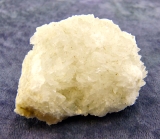
Colemanite is a captivating borate mineral, typically found in white to colourless crystalline formations within evaporite deposits. Its translucent, prismatic crystals often display a soft, pearly lustre, making it a visually appealing addition to any collection. |
|
 |
CONGLOMERATE |
|
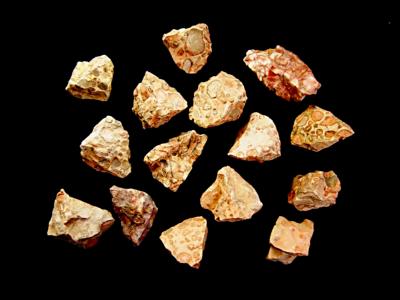
Conglomerate is a fascinating sedimentary rock composed of rounded pebbles and stones bound together by a natural cement, often found in riverbeds and alluvial deposits. Its appearance is striking, showcasing a mosaic of colours and textures, from earthy browns to soft greys, creating a unique, tactile surface. |
|
 |
CONICHALCITE |
|
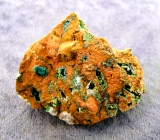
Conichcalcite is a delicate, visually captivating mineral, often forming creamy white to soft pastel crystals with a smooth, pearly sheen. Typically found in oxidised zones of copper deposits, it showcases intricate crystal habits that delight collectors. |
|
 |
COPPER |
|
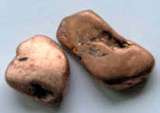
Copper is a striking metallic mineral, known for its warm, reddish-brown hue and natural, lustrous sheen. Often found in native metallic form or in oxidised green-blue patinas, it is commonly associated with hydrothermal veins and igneous rock formations. |
|
 |
COQUIMBITE |
|
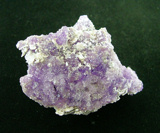
Coquimbite is a rare iron sulphate mineral typically found in arid, oxidised mine environments, where it forms as a secondary mineral from the weathering of pyrite-rich deposits. It displays delicate lavender to deep violet crystals, often shimmering with a subtle translucency that enhances its ethereal charm. |
|
 |
CORNETITE |
|
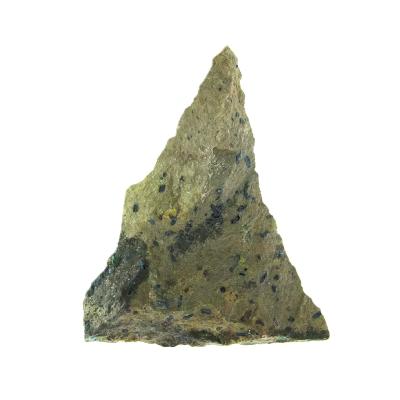
Cornetite is a rare phosphate mineral, typically forming striking deep blue to greenish-blue crystalline clusters with a vitreous to subadamantine lustre. Found in copper-rich oxidised zones, it often accompanies other secondary minerals, adding to its visual appeal for collectors.
|
|
 |
CORNWALLITE |
|
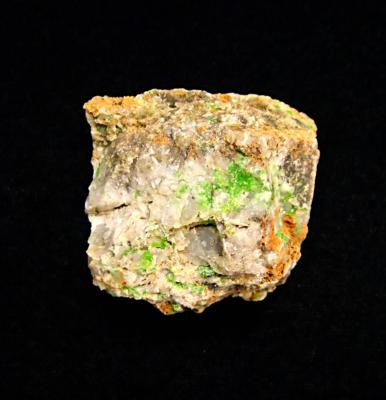
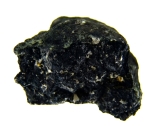
Cornwallite is a vibrant green copper arsenate mineral, often forming delicate, botryoidal clusters with a bright, glossy surface that catches the light beautifully. Typically found in the oxidised zones of copper deposits, it adds a unique charm to any mineral collection.
|
|
 |
COVELLITE |
|
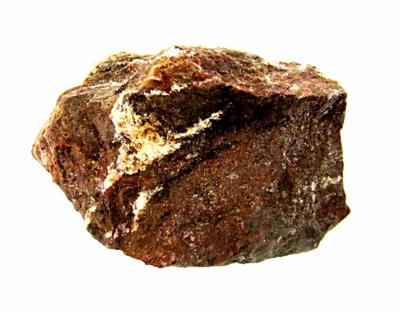
Covellite is a striking copper sulphide mineral, renowned for its deep, metallic indigo-blue colour and reflective, almost mirror-like surface. Found in the secondary enrichment zones of copper deposits, its layered, hexagonal crystals make it a favourite among collectors and mineral enthusiasts. |
|
 |
CREASEYITE |
|
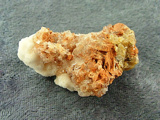
Creaseyite is a rare, captivating mineral, typically forming in rich, oxidised zones of lead and uranium deposits. It displays a subtle, pale yellow to brownish hue with a delicate crystalline texture, offering understated beauty for collectors. |
|
 |
CREEDITE |
|
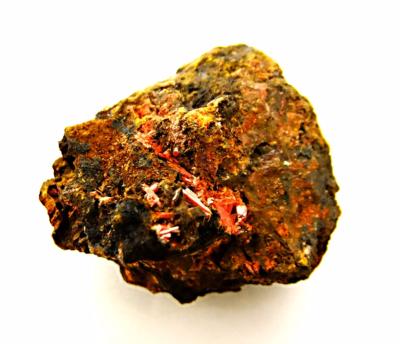
Creedite is a striking aluminium calcium fluoride hydroxide mineral, typically forming slender, prismatic crystals in shades of violet, purple, and lilac. Found in oxidised zones of mineral-rich deposits, its translucent, shimmering structure makes it a visually captivating specimen. |
|
 |
CROCOITE |
|
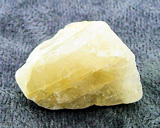
Crocoite is a vibrant lead chromate mineral, celebrated for its striking, fiery-orange to red elongated crystals that glisten with natural brilliance. Formed in the oxidised zones of lead ore deposits, it presents a bold and eye-catching display. |
|
 |
CRYOLITE |
|
Cryolite is a rare, translucent mineral, often appearing in soft white, pale grey, or subtle green hues with a glassy, slightly pearly sheen. Found primarily in granitic pegmatites and historic deposits, it was once prized as a flux in aluminium extraction.
|
|
 |
CUPRITE |
|
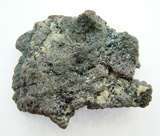
Cuprite is a striking copper oxide mineral, known for its deep, rich red to reddish-brown hues and brilliant metallic lustre. Typically forming in oxidised copper deposits, it often appears as cubic or octahedral crystals, showcasing a captivating geometric elegance. |
|
 |
CYANOTRICHITE |
|
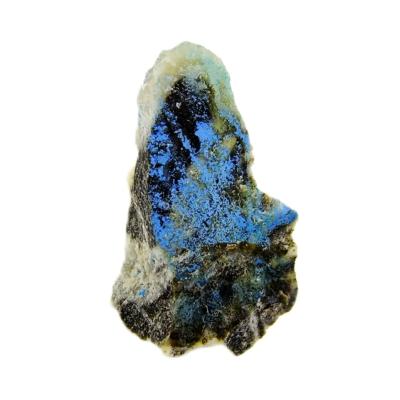
Cyanotrichite is a striking copper-aluminium mineral, often found in the oxidised zones of copper deposits. Renowned for its vibrant, electric-blue fibrous crystals, it forms delicate, feathery sprays that captivate collectors and admirers alike. |
|
 |
DADSONITE |
|
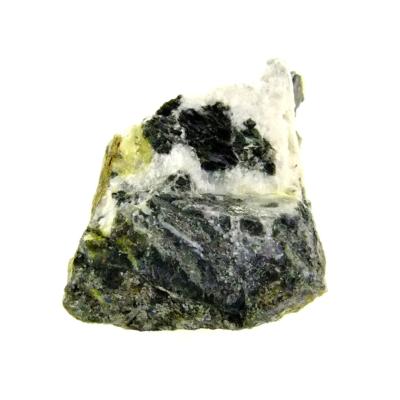
Dadsonite is a rare and captivating mineral, typically found in hydrothermal veins and metamorphic rock formations. Its striking appearance ranges from deep brown to golden hues, often forming well-defined, lustrous crystals that appeal to collectors. |
|
 |
DANBURITE |
|
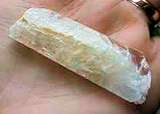
Danburite is a luminous calcium boron silicate mineral, prized for its clear to pale golden crystals and sparkling, glass-like transparency. Formed in metamorphic and hydrothermal environments, it often displays elegant prismatic shapes that catch the light beautifully.
|
|
 |
DARWIN GLASS |
|
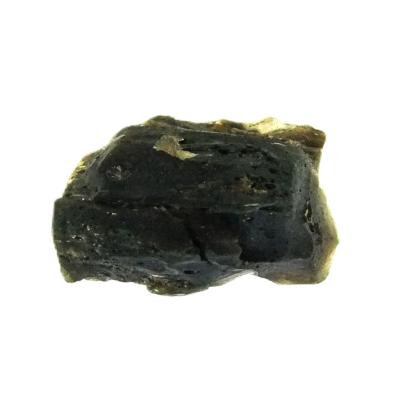
Darwin Glass is a fascinating natural glass formed from meteorite impacts, found predominantly in Tasmania, Australia. Its intriguing appearance features glossy, dark green to black fragments, often with unique, pitted textures that reflect its cosmic origin. |
|
 |
DATOLITE |
|
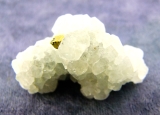
Datolite is a calcium borosilicate mineral typically found in basalt and hydrothermal veins. It displays a glassy to pearly lustre, often forming colourless, green, or pale yellow crystals, sometimes with botryoidal or nodular shapes. |
|
 |
DESERT ROSE |
|
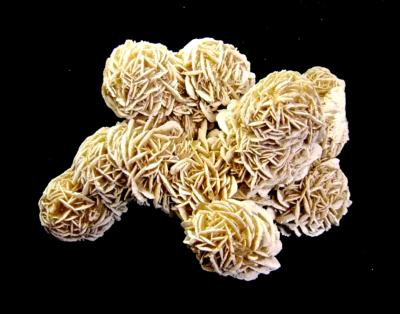
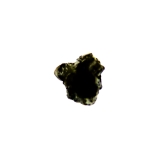
Desert Rose is a striking formation of gypsum or baryte crystals, often found in arid sandy regions where mineral-laden winds shape them into rosette-like clusters. Its sandy, earthy hues and intricate, petal-like structures make it a captivating natural sculpture. |
|
 |
DIAMOND |
|
Diamond, the purest form of carbon, forms deep within the Earth under intense heat and pressure, emerging as one of nature’s most revered gemstones. Celebrated for its unmatched brilliance and clarity, diamonds range from colourless to rare fancy hues, captivating with their fire and sparkle. |
|
 |
DICKITE |
|
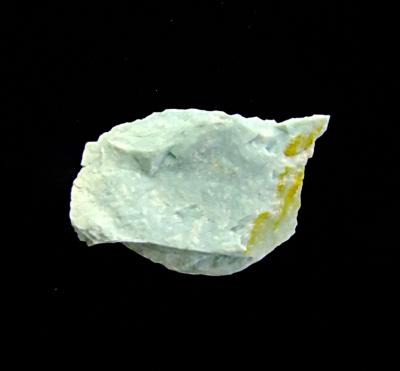
Dickite is a rare aluminium silicate clay mineral, typically forming in fine, pearly white to cream-coloured crystalline masses. Its soft, layered texture gives it a delicate, almost silky appearance, prized by collectors for its subtle beauty. |
|
 |
DIOPSIDE |
|
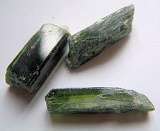
Diopside is a captivating pyroxene mineral, typically found in metamorphic rocks such as marble and serpentinite. It showcases rich green hues, often with a glassy or slightly translucent appearance, making it a favourite among collectors and jewellery enthusiasts.
|
|
 |
DIOPTASE |
|
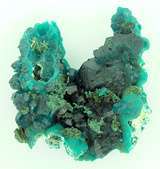
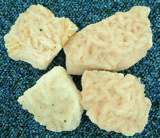
Dioptase is a striking copper cyclosilicate mineral, often found in desert regions within oxidised copper deposits. Its vibrant emerald-green to deep forest-green crystals shimmer with a glassy, translucent brilliance, making it highly sought after by collectors. |
|
 |
DOLOMITE |
|
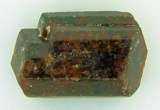
Dolomite is a calcium-magnesium carbonate mineral commonly found in sedimentary rock formations and metamorphic marbles. Its appearance ranges from soft white and cream tones to pale pinks and greys, often exhibiting a pearly or crystalline lustre. |
|
 |
DRAVITE (BROWN TOURMALINE) |
|
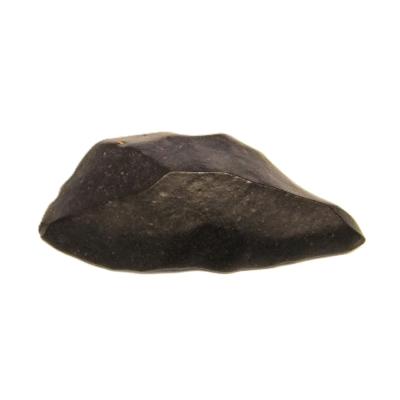
Dravite, a magnesium-rich brown variety of tourmaline, is typically found in metamorphic rocks and granitic pegmatites. Its rich chocolate to deep brown tones often display subtle striations and a glossy, prismatic structure that captures light beautifully. |
|
 |
DREIKANTER (German for three edged) Ventifact Wind Eroded Stones. |
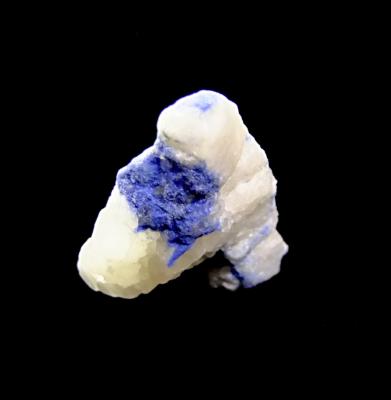
| These wind-eroded iron stones of Patagonia, known as ventifacts, are remarkable geological formations shaped by relentless, high-speed winds over millennia. Found in the arid plains and plateaus, these stones are carved into unique, smooth, and sharp-edged sculptures. Their intriguing shapes reveal nature’s power, showcasing Patagonia’s raw, breath taking landscape. |
|
 |
DUMORTIERITE |
|
Dumortierite is a striking aluminium borate mineral, typically found in metamorphic rocks and high-temperature pegmatites. Its deep blue to violet hues, often streaked with lighter shades, form fibrous or columnar patterns that shimmer in the light. |
|
 |
EILAT STONE |
|
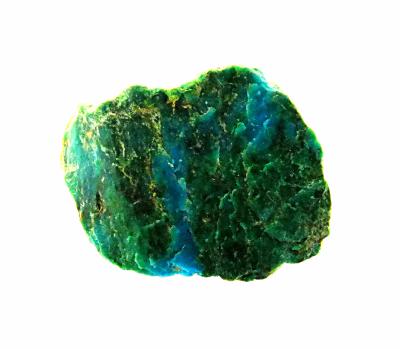
Eilat stone, a rare and vibrant gemstone, is a unique blend of chrysocolla, turquoise, and malachite, primarily found in the southern region of Israel. Its stunning blue and green swirls create a mesmerizing, natural pattern that captures the eye. |
|
 |
EMERALD |
|
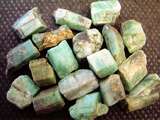
Emerald, a precious variety of beryl, is prized for its rich green hues, caused by trace chromium and vanadium. Formed in hydrothermal veins and metamorphic rocks, this captivating gem displays a vibrant, deep green that has fascinated cultures for millennia. |
|
 |
ENARGITE |
|
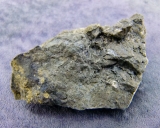
Enargite is a rare copper-arsenic sulfosalt mineral, forming in hydrothermal veins and volcanic-hosted deposits. Its metallic grey to dark steel sheen, often with subtle iridescence, makes it a striking specimen for collectors. |
|
 |
ENSTATITE |
|
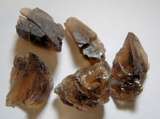
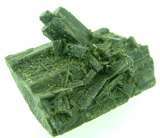
Enstatite is a magnesium-rich pyroxene mineral commonly found in igneous and metamorphic rocks, as well as in meteorites. It typically displays shades of brown, green, or black with a vitreous to slightly metallic lustre, often forming elongated, prismatic crystals. |
|
 |
EPIDOTE |
|
Epidote is a calcium-aluminium-iron silicate mineral often found in metamorphic rocks such as schist and gneiss, as well as in hydrothermal veins. It usually exhibits rich green hues, sometimes with brown or yellow tones, forming prismatic or needle-like crystals with a vitreous lustre.
|
|
 |
ERIONITE |
|
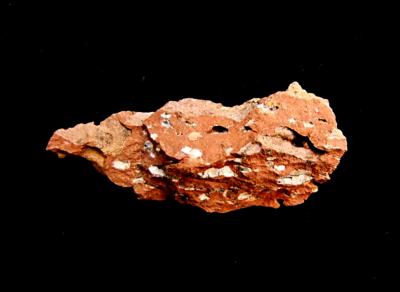
Erionite is a rare zeolite mineral typically found in volcanic tuff deposits, forming fibrous or needle-like crystals that often appear in white, cream, or pale grey hues with a silky sheen.n |
|
 |
ERYTHRITE |
|
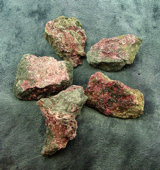
Erythrite is a striking cobalt arsenate mineral, commonly forming in vibrant pink to crimson, bladed or fibrous crystals. Typically found in cobalt-rich ore deposits, its rich colour and lustrous surface make it a favourite among mineral collectors. |
|
 |
ETTERINGITE |
|
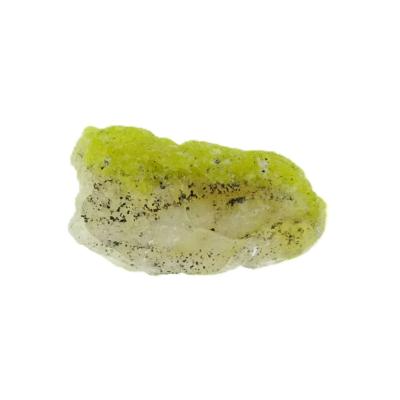
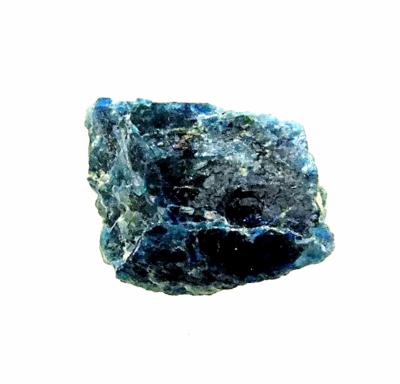
Etteringite is a rare silicate mineral, admired for its delicate, pale green to colourless crystalline formations that often appear as sparkling clusters. Typically found in unique geological environments, it captivates collectors with its subtle beauty and intricate structure. |
|
 |
EUCLASE |
|
Euclase is a striking beryllium aluminium silicate mineral, prized for its brilliant clarity and range of colours from pale blue to colourless. Its transparent, glass-like crystals often form sharp, elongated prisms, catching the light beautifully.
|
|
 |
EUDIALYTE |
|
Eudialyte is a rare, striking cyclosilicate mineral, celebrated for its deep red to pink hues, often contrasted with black, brown, or green inclusions. Typically found in alkaline igneous rocks, its complex crystal formations make it a favourite among collectors. |
|
 |
FELDSPAR |
|
Feldspar is a versatile group of rock-forming minerals, commonly found in igneous, metamorphic, and sedimentary rocks. Its colours range from soft pinks, creamy whites, and pale greens to earthy browns, often displaying a gentle pearly or glassy sheen.
|
|
 |
FERRIALLANITE |
|
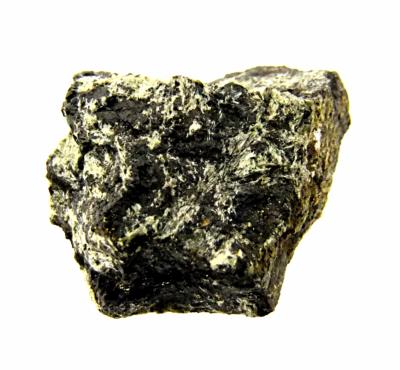
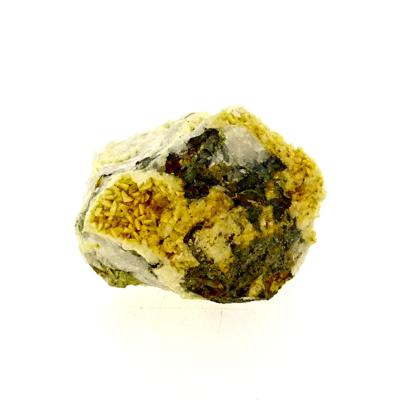
Ferriallinite is a rare titanium-iron oxide mineral typically found in metamorphic and igneous rocks. It exhibits a metallic to sub-metallic lustre, often appearing in dark grey to black hues with subtle iridescent flashes, creating a striking visual appeal. |
|
 |
FERRIMOLYBDITE |
|
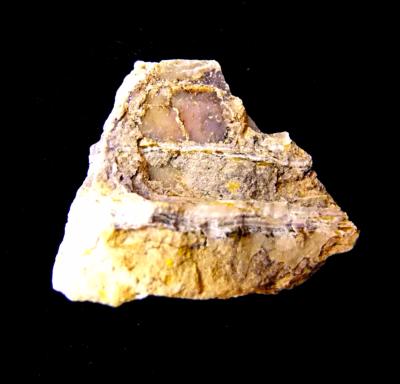
Ferrimolybdite is a rare molybdenum oxide mineral, often forming in the oxidised zones of molybdenum-bearing ore deposits. It typically displays vibrant yellow to golden hues with an earthy, crystalline texture, making it visually striking for collectors. |
|
 |
FLUOBORITE |
|
Fluoborite is a rare magnesium fluoborate mineral typically found in skarn deposits formed through high-temperature metamorphic processes. It often appears as silky, fibrous crystals in soft whites, creams, or pale pinks, giving it a delicate and elegant appearance. |
|
 |
FLUORAPATITE |
|
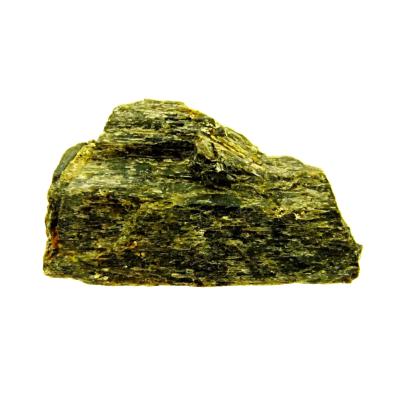
Fluorapatite is a vibrant phosphate mineral formed in igneous and metamorphic environments, known for its striking range of colours from vivid greens and blues to warm pinks and yellows. Its crystals are typically well-defined and glassy, adding strong visual appeal.
|
|
 |
FLUORICHTERITE |
|
Fluorrichterite is a rare amphibole mineral formed in metamorphic environments rich in fluorine, typically occurring in long, slender crystals or fibrous aggregates. Its colours range from soft greens and greys to deep browns, often with a subtle silky lustre. |
|
 |
FLUORITE |
|
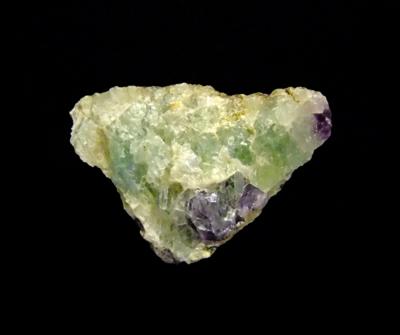
Fluorite is a beautifully banded mineral formed in hydrothermal veins and limestone cavities, prized for its striking colours ranging from purples and greens to blues, yellows, and clear tones. Its natural cubic crystals often display remarkable clarity and symmetry. |
|
 |
FOOL'S GOLD (IRON PYRITE) |
|
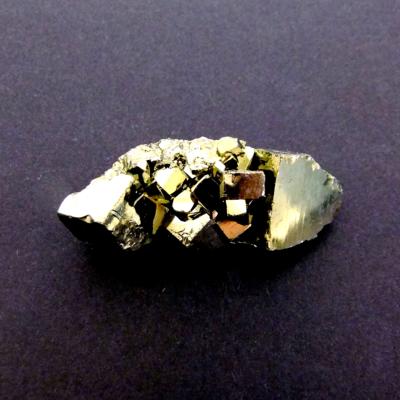
Fool’s Gold, known scientifically as pyrite, is an iron sulphide mineral formed in sedimentary rocks, hydrothermal veins, and metamorphic environments. Its metallic lustre and brassy gold colour create eye-catching, sharply defined cubic crystals that have misled prospectors for centuries. |
|
 |
FRANKLINITE |
|
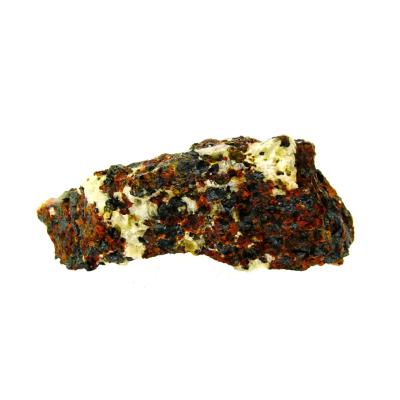
Franklinite is a rare oxide mineral primarily found in the unique Franklin and Sterling Hill deposits of New Jersey, USA. Exhibiting metallic black to dark grey crystals, often with a slightly granular texture, it is visually striking and highly sought after by collectors.
|
|
 |
FUCHSITE |
|
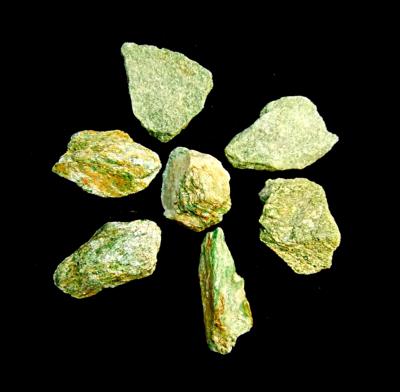
Fuchsite, a chromium-rich variety of muscovite, is a striking green mica mineral often found in metamorphic rocks such as schist. Its shimmering, leafy layers catch the light, creating a vivid, almost metallic appearance that is both captivating and elegant. |
|
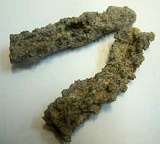 |
FULGURITE |
Fulgurite is a rare natural glass formed when lightning strikes sandy soil or rock, fusing silica into intricate, tubular formations. Typically slender, branching, and earthy-coloured, fulgurite captures the raw energy of the storm, often with a rough, glassy texture. |
|